
GoldvaneGoldvaneAviation LogisticsStart a program
HomeAircraftServicesAircraft Selector ToolField NotesContact
Goldvane
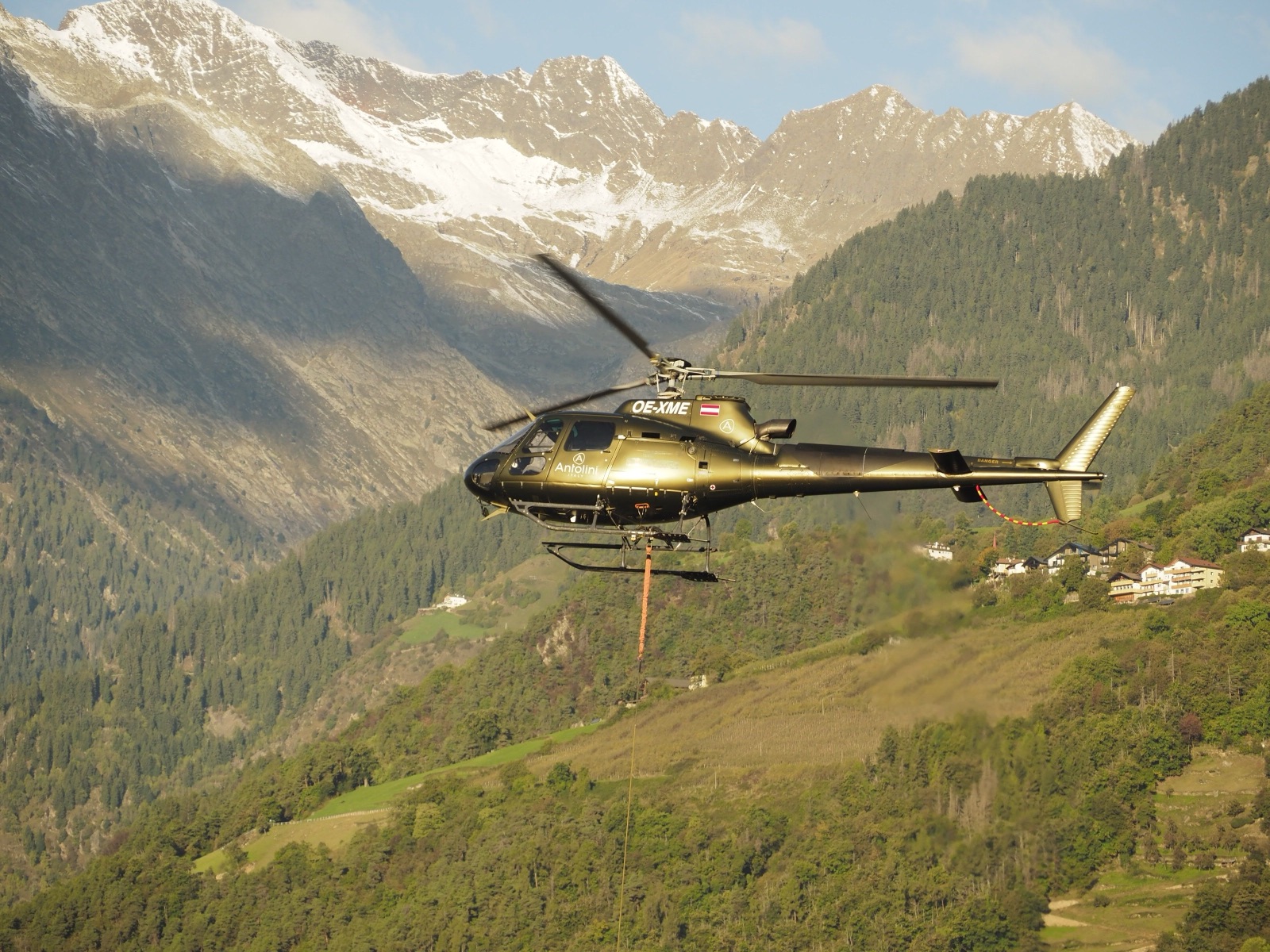
A helicopter flying a long-line sling load through a remote mountain valley.

Questions About Drill Moves

Moving a drill program by air, explained

Straight answers about flying drills, crews, fuel and water in and out of remote exploration sites — written from real drill-program experience, not a brochure. If your project is past the end of the road, start here.

Most of what makes a remote drill program expensive happens around the drilling, not in it — the move, the resupply, the weather day. Here are the questions exploration managers and drillers actually ask about getting a program in and out by air.

What is a fly-in drill move?

A fly-in — drillers call it a "fly job" — is when the drill, rods, fuel and camp can't reach the collar by road, so they go in by air. The whole rig gets broken down, flown to the site piece by piece, and built back up on the pad.

The hard truth of any move is simple: a move day is a day with no meters. Nobody is making money while the drill is in pieces. That's why getting the move right — the right aircraft, in and out fast — is worth real money to the program, not just a line item.

Why move a drill by helicopter instead of trucking it in?

Because there's no road. A lot of exploration sits on a ridge, a tundra flat, or a lakeshore with nothing but bush between it and the nearest logging road. If you can't drive to the collar, a helicopter slings the drill in one load at a time.

If there's a lake but no road, a floatplane can handle the people and supplies while a helicopter places the heavy drill components. The site's access — paved strip, gravel strip, lake, or nothing at all — is what decides the aircraft.

Try the free Aircraft Selector Tool

What does a helicopter actually move on a drill program?

More than the drill. A helicopter-portable rig is built to come apart into sling-load-sized pieces — the drill, the mast, the power pack — and each flies as its own load.

Then there's everything that keeps it running: rods, fuel drums, the water pump and line, the Herman Nelson heater for cold weather, the camp, and the crew. At the end of the hole, core boxes fly back out to the geologists. A drill move is rarely one flight — it's a sequence of loads, and the order matters.

How many people is a crew change, and what aircraft fits?

Usually smaller than people expect. Three drills running is about nine drillers and helpers plus a foreman — call it ten. That's a single Caravan trip, not a big job.

It's the larger camps and the 15-to-20-plus person rotations that move up into a Twin Otter or a regional turboprop like a Dash 8 — and those need a real prepared strip, not just a clearing. Count every body when you plan it; one person over a seat count turns one flight into two.

See the aircraft we source

Why does move speed matter so much?

Because of that one rule: a move day is a day with no meters. Every hour the drill spends in pieces, or waiting on an aircraft, is an hour the program pays a crew to not drill.

The expensive part of remote drilling usually isn't the flight itself — it's the downtime around it. Sourcing the right aircraft quickly, with a backup lined up for weather, is what keeps a one-day move from turning into two lost days.

Does water and fuel get flown in too?

Often, yes. Water runs the whole hole — it cools the bit and lifts the cuttings — and on a dry site that can mean pumps and a long water line flown in and set up before a single meter gets drilled.

Fuel moves in drums by sling or floatplane and gets cached on site. On a remote program the resupply doesn't stop once drilling starts: fuel, water gear, food and parts keep cycling in on a schedule for the length of the program.

Resupply and crew-rotation services

What's a floatplane good for versus a helicopter?

Different jobs. A floatplane needs water to land, so it's the workhorse for lake-access camps — crews, food, fuel and gear, in and out of a lake near the project. But it can't put a drill on a dry ridge.

A helicopter doesn't need a strip or a lake — it can sling a load onto a bare pad — so it's what actually moves the drill and handles precise placement. Most remote programs end up using both, each for what it does best.

What can go wrong on a remote program that changes the logistics?

Bad ground. When a drill hits broken or sandy rock it starts "blocking" — water stops flowing and a clean three-metre run turns into five or six. That slows the hole, stretches the program, and means more resupply runs than anyone budgeted.

Weather does the same to aircraft: a socked-in valley grounds the helicopter and the move waits. The fix isn't hoping for one perfect flight — it's planning for the bad day with a backup aircraft and a resupply schedule that has slack in it.

How do you figure out the right aircraft before calling?

Three things decide it: what's at the site (paved strip, gravel strip, lake, or nothing), how many people and how much weight per trip, and what the job actually is — moving the drill, rotating crew, or resupply.

Our free Aircraft Selector Tool walks those questions and points you to a class and a specific model. It isn't a quote — it's a starting point, so the first real conversation is already grounded in the right machine.

Open the Aircraft Selector Tool

Have a question that isn't here? That's usually the start of a real program. Tell us the site, the people, and the loads and we'll scope the aviation around it.

Planning a move this season?

Give us the collar location, the crew size, and what's flying in. We'll line up the aircraft and the backup.

Start a program